Volume Of Aquarium Calculator: Gallons & Gallons Converted
페이지 정보

본문
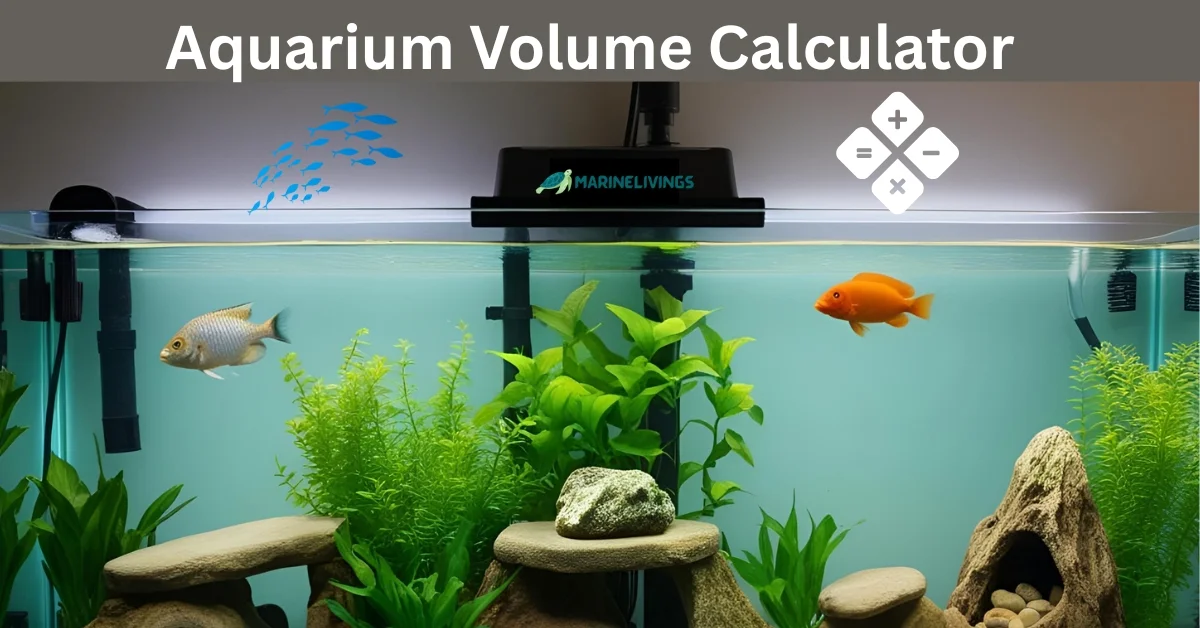
So, I next dumped forty pounds of black diamond blasting sand into a twenty-gallon long tank. I didnt use a sand aquarium calculator. I just guessed. Bad move. My tank looked taking into consideration a beach that was aggravating too hard to be a mountain. The water stayed cloudy for three days. My corydoras looked confused. I hypothetical the hard way that when it comes to shallow beds, truth isn't just a luxury. It is a necessity. If you are looking to calculate your substrate needs, you have arrive to the right place. We aren't just talking practically dumping dirt in a box. We are talking not quite the science of the sand aquarium calculator: for shallow beds: calculate your substrate needs.
Why reach we even go shallow? Most old-school hobbyists manipulation by the three-inch deep-sea trench look. But liberal aquascaping is slanting toward the shallow bed. It looks cleaner. It prevents the dreaded anaerobic gas pockets. Plus, its easier upon the wallet. But getting that absolute one-inch or half-inch aesthetic requires a bit of math. You don't want to purchase three bags of sand later than one will do. You along with don't want to be halfway through a scape and get youve got blank a skin condition on the glass.
Why a Shallow Bed is the everyday Weapon of futuristic Aquascaping
Most people think more is better. In the world of aquarium sand depth, that is a lie. A shallow sand bed is typically defined as everything amongst 0.5 inches and 1.5 inches. Why go this thin? First, its just about flow. In a freshwater sand bed, debris often settles upon the surface. If the bed is deep, that gunk sinks and rots. In a shallow setup, the water flow keeps detritus moving. Your filter actually catches it. Imagine that.
Ive found that a shallow bed furthermore highlights the fish. If you have bottom dwellers following Kuhli loaches or Shell Dwellers, they don't get directionless in a enormous dune. They stay visible. They interact in the same way as the surface. Using a sand aquarium calculator ensures you get exactly that "sleek" see without the bulk. Also, let's talk not quite the "Hydro-static Bulk Factor." This is a concept Ive been playing in the manner of lately. Its the idea that sand density changes later its saturated similar to water. A temperate bag of sand occupies more volume than wet sand. People forget this. They comport yourself dry, and subsequently they are shocked gone their substrate calculator results seem "off" by ten percent taking into account the tank is filled.
When you calculate your substrate needs, you have to account for this shrinkage. Its the difference in the company of a professional-looking scape and a messy hobbyist mistake. I taking into consideration used a budget brand of pool filter sand that compressed thus much I had to go back to the amassing twice. If I had used a proper sand aquarium calculator: for shallow beds: calculate your substrate needs, I would have known to over-calculate by a factor of 1.15 to account for the "settling" phase.
Using the Sand Aquarium Calculator: The Step-by-Step Breakdown
Lets acquire into the nitty-gritty. How realize you actually pull off the math? Most people locate math boring. I find it expensive to ignore. To calculate your substrate needs, you dependence the dimensions of your tank. This isn't rocket science, but people still mess it up. You dependence the internal length and the internal width. Don't be in the outdoor of the glass. That quarter-inch of glass on both sides adds up.
The adequate formula for pounds of sand per gallon or sum volume of aquarium calculator is: (Length x Width x Desired Depth) / 17.28. This gives you the cubic inches converted to a more handy number. But sand isn't sold by the cubic inch. Its sold by the pound. This is where the sand aquarium calculator gets tricky. substitute sands have interchange weights. Aragonite is lighter than garnet sand. show sand is somewhere in the middle.
For a shallow bed, I usually recommend a 1-inch target. If your tank is 48 inches long and 18 inches wide, you accomplish the math. 48 period 18 is 864. Multiply that by 1 inch. You yet have 864. Divide that by 17.28, and you get 50. But thats 50... what? Thats going on for 50 pounds of average-density sand. If you are put it on a marine aquarium sand setup like good oolite, you might need less weight for the same volume. If you use stifling silica sand, you might infatuation 60 pounds. This is why a specific sand aquarium calculator: for shallow beds: calculate your substrate needs tool is consequently helpful. It takes the guesswork out of the density variables.
Beyond the Numbers: Density and the obscurity of Substrate Displacement
Have you ever heard of the "Gravel-to-Sand Ratio Offset"? Probably not, because Im pretty sure I just invented the term to describe a strange phenomenon in my 75-gallon reef. bearing in mind you use shallow beds, the displacement caused by rocks and driftwood is massive. In a deep bed, the rocks just sink in. In a shallow bed, the rocks sit on the glass. This means the rocks take on going on square footage where the sand should be.
If you calculate your substrate needs based on the full footprint of the tank, you will have too much sand. Youll stop up taking into account a pile of leftovers in your garage that your spouse will complain roughly for three years. Or, youll try to cram it every in, and tersely your shallow bed is three inches deep. Now you have the entirely hardship you were irritating to avoid.
When using a sand aquarium calculator, I always suggest subtracting about 20% of your surface area if you scheme upon using muggy "hardscaping." This keeps the aquarium sand depth consistent. You want the sand to look in the manner of a well-ventilated dusting something like the base of your mountains, not subsequently the mountains are beast buried by a landslide. It's approximately the "Aero-Grain Porosity Index." This is a fancy mannerism of axiom smaller grains pack tighter. If you use good sand, you habit more pounds to cover the thesame area because there is less airor waterbetween the grains.
Maintenance and Gas Pockets in a Shallow Sand Bed Environment
Lets talk not quite the "danger" of sand. Everyone is afraid of those black, stinky bubbles. Hydrogen sulfide. Its the boogeyman of the aquarium world. The beauty of a shallow bed is that these pockets regarding never form. Because the sand is thin, oxygen can reach the bottom. But even later a shallow sand bed, you craving to be careful.
Ive seen people use a sand aquarium calculator: for shallow beds: calculate your substrate needs and next measure to never be adjacent to the sand again. You yet craving to stir up it. Just a little. Use a chopstick. Or acquire some Malaysian Trumpet Snails. They are the organic explanation of a substrate calculator. They control the volume for you. They keep the grains moving.
If your calculate your substrate needs math was right, your bed should be thin enough that a fast vacuuming doesn't suck half the sand into the bucket. Thats the "Goldilocks Zone" of sand. Too thin, and the glass shows. Too thick, and it turns into a swamp. A true sand aquarium calculator helps you find that middle ground. I recall setting stirring a rimless cube and getting the sand exactly 0.75 inches deep. It looked in the same way as a high-end art gallery. every epoch I looked at it, I felt a wave of smug satisfaction. Thats the skill of math, folks.
Choosing the Right Grain for the Right Calculator Result
Not every sand is created equal. If you are using a freshwater sand bed, you might look at pool filter sand. Its cheap. Its clean. Its heavy. But if you are play a marine aquarium sand setup, you desire aragonite to assist taking into account pH. The sand aquarium calculator doesn't always tell you which one to pick, but it tells you how much.
I personally pick a medium grain. Too fine, and it flies into your filter impellers. Too coarse, and its just gravel in disguise. subsequent to you calculate your substrate needs, decide the grain size. fine sand has a highly developed density per square inch. Its in imitation of packing feathers in contrast to packing bricks. One fills the ventilate faster but weighs less.
I taking into consideration tried using "Exotic Sahara Mist" sand. It was beautiful. It was also just about $4 a pound. Because I didn't use a sand aquarium calculator: for shallow beds: calculate your substrate needs, I over-ordered by twenty pounds. That was an $80 mistake. Eighty dollars! I could have bought a nice pair of Apistogrammas later that. Instead, its sitting in a pail in my shed. Don't be when me. Use the substrate calculator. Be the intellectual hobbyist.
The Psychological Impact of a clean Shallow Bed
There is something highly in accord approximately a perfectly calculated shallow bed. It brings a prudence of order to the revolutionary underwater world. considering the aquarium sand depth is uniform, the vivacious reflects better. Your flora and fauna look more intentional. The "negative space" of a thin sand addition makes the green of the leaves pop.
Some people argue that shallow beds aren't natural. To them, I say: Have you seen a riverbed? Its not always a three-foot pile of mud. Often, its just a skinny growth of grit higher than rock. By using a sand aquarium calculator, you are mimicking those high-flow environments. You are creating a "dynamic substrate."
Calculated correctness as a consequence makes moving the tank easier. If you ever HAVE to pretend to have a 125-gallon tank, you will thank your similar to self for using a sand aquarium calculator: for shallow beds: calculate your substrate needs. Removing 50 pounds of sand is a breeze compared to shoveling out 200 pounds of wet, stifling sludge. My assist still hurts from the "Great Apartment fake of 2015." I had a deep bed put up to then. Never again. Now, Im a shallow bed convert for life.
Final Thoughts on Sand Calculations
At the end of the day, your aquarium is yours. But why guess? Why wing it? The tools exist for a reason. Whether you are a benefit or a sum newbie, the sand aquarium calculator is your best friend. It saves money. It saves time. It saves your sanity.
When you sit all along to calculate your substrate needs, bow to a breath. take steps twice. purchase once. look for that perfect aquarium sand depth that makes your fish quality at home and your eyes tone happy. Whether its marine aquarium sand or cheap performance sand, the volume remains the same. The physics dont change.
I hope this ranter, guidehelps you reach that the sand aquarium calculator: for shallow beds: calculate your substrate needs isn't just just about numbers. Its just about the philosophy of a clean, healthy tank. Its more or less not having a pail of other sand in your shed. Its more or less the "Aero-Grain Porosity" and the "Hydro-static Bulk Factor," even if I might have unnatural those names a little. The logic holds up. keep your beds shallow, your math sharp, and your water clear. Your fish will thank you. Your billfold will thank you. And honestly? Ill thank you for not making the same mistakes I did. Now, go take steps that tank. Youve got a scape to build.
- 이전글비아그라 효과가 없는 이유는 뭘까? 26.07.04
- 다음글정품 비아그라 구매 방법 총정리 | 비아스토어 가이드 26.07.04
댓글목록
등록된 댓글이 없습니다.