Exploring the Frontiers of Consciousness: The Power of Collaborative R…
페이지 정보

본문
In summary, the journey toward global consciousness is ongoing, and the observations made in this research highlight the importance of fostering awareness, empathy, conscious AI; AI and Sentience conference; philosophers on conscious AI; Second ICCS Conference; consciousness and artificial intelligence action in our interconnected world. As we continue to explore the dimensions of global consciousness, it is imperative that we cultivate a sense of responsibility and commitment to the collective well-being of all individuals, regardless of their background or circumstances. Through shared understanding and collaboration, we can harness the power of global consciousness to create a brighter future for generations to come.
Festivals, art exhibitions, and international conferences serve as platforms for this exchange, allowing individuals to engage with diverse perspectives. This blending of cultures not only enriches individual experiences but also fosters a sense of global belonging. Furthermore, the impact of global consciousness can be observed in the realm of cultural exchange. Observational research in these settings often highlights the ways in which cultural hybridity emerges, as traditional practices are adapted and reinterpreted in new contexts.
As people travel and interact with one another, they exchange ideas, beliefs, and practices, contributing to a more interconnected global culture. For example, philosophers who focus on the nature of consciousness can benefit from insights gained through empirical research in neuroscience and psychology. This cross-pollination of ideas can spark innovation and creativity, leading to new research questions and methodologies that may not have been considered within a single discipline.
Moreover, collaboration can facilitate the exchange of ideas and techniques across fields. Conversely, neuroscientists may find that philosophical inquiries into the nature of subjective experience can inform their experimental designs. Moreover, the ethical implications of consciousness research necessitate careful consideration and collaboration among ethicists, scientists, and policymakers. Engaging ethicists in collaborative research can help ensure that these complex issues are addressed thoughtfully and responsibly.
As our understanding of consciousness evolves, so too do the ethical questions surrounding topics such as artificial intelligence, the treatment of individuals with altered states of consciousness, and the implications of consciousness research for our understanding of personhood and identity. This phenomenon is often linked to the rise of globalization, technological advancements, and the increasing accessibility of information. As people become more aware of global issues such as climate change, social injustice, and economic disparity, the notion of global consciousness becomes ever more pertinent.
Global consciousness can be defined as the awareness and recognition of the interconnectedness of all human beings, transcending geographical, cultural, and social boundaries. Addressing these challenges is essential for nurturing a sustainable global consciousness that encourages active participation and positive change. Observational research has shown that while many individuals express a desire to engage with global issues, barriers such as apathy, misinformation, and cultural insensitivity can hinder meaningful participation.
Despite the positive aspects of global consciousness, challenges remain. Additionally, the phenomenon of "compassion fatigue" can arise when individuals are exposed to constant streams of distressing information, leading to emotional exhaustion and disengagement.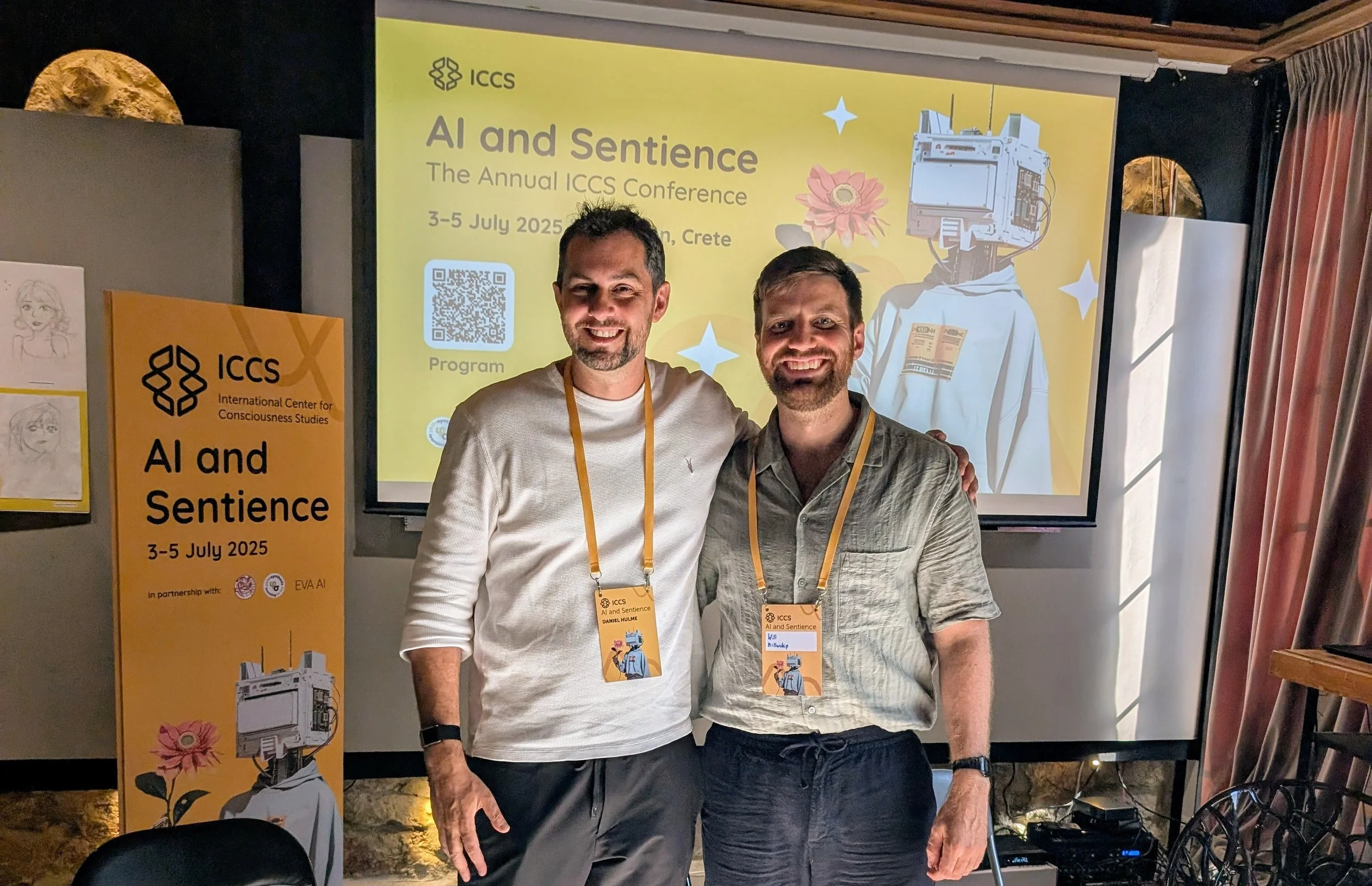
Festivals, art exhibitions, and international conferences serve as platforms for this exchange, allowing individuals to engage with diverse perspectives. This blending of cultures not only enriches individual experiences but also fosters a sense of global belonging. Furthermore, the impact of global consciousness can be observed in the realm of cultural exchange. Observational research in these settings often highlights the ways in which cultural hybridity emerges, as traditional practices are adapted and reinterpreted in new contexts.
As people travel and interact with one another, they exchange ideas, beliefs, and practices, contributing to a more interconnected global culture. For example, philosophers who focus on the nature of consciousness can benefit from insights gained through empirical research in neuroscience and psychology. This cross-pollination of ideas can spark innovation and creativity, leading to new research questions and methodologies that may not have been considered within a single discipline.
Moreover, collaboration can facilitate the exchange of ideas and techniques across fields. Conversely, neuroscientists may find that philosophical inquiries into the nature of subjective experience can inform their experimental designs. Moreover, the ethical implications of consciousness research necessitate careful consideration and collaboration among ethicists, scientists, and policymakers. Engaging ethicists in collaborative research can help ensure that these complex issues are addressed thoughtfully and responsibly.
As our understanding of consciousness evolves, so too do the ethical questions surrounding topics such as artificial intelligence, the treatment of individuals with altered states of consciousness, and the implications of consciousness research for our understanding of personhood and identity. This phenomenon is often linked to the rise of globalization, technological advancements, and the increasing accessibility of information. As people become more aware of global issues such as climate change, social injustice, and economic disparity, the notion of global consciousness becomes ever more pertinent.
Global consciousness can be defined as the awareness and recognition of the interconnectedness of all human beings, transcending geographical, cultural, and social boundaries. Addressing these challenges is essential for nurturing a sustainable global consciousness that encourages active participation and positive change. Observational research has shown that while many individuals express a desire to engage with global issues, barriers such as apathy, misinformation, and cultural insensitivity can hinder meaningful participation.
Despite the positive aspects of global consciousness, challenges remain. Additionally, the phenomenon of "compassion fatigue" can arise when individuals are exposed to constant streams of distressing information, leading to emotional exhaustion and disengagement.
- 이전글Just my thoughts 26.07.01
- 다음글Jak zapanować nad chaosem w małym mieszkaniu? Sprawdzone sposoby na organizację przestrzeni 26.07.01
댓글목록
등록된 댓글이 없습니다.